Saving Lives is the First Step
Who Is at Risk of Opiate Overdose?
People Mixing Drugs
Many overdoses occur when people mix heroin or prescription opioids with alcohol, benzodiazepines or antidepressants. Alcohol and benzodiazepines (such as Xanax®, Klonopin® and Valium®) are particularly dangerous because, like opioids, they affect an individual’s ability to breathe.
People with Lowered Tolerance
Tolerance is your body’s ability to process a drug. Tolerance changes over time, and, as a result, you may need more of a drug to feel its effects. However, tolerance can decrease rapidly when someone has taken a break from using a substance, whether intentionally (in treatment) or unintentionally (in jail or the hospital). Taking opioids after a period of not using can increase the risk of a fatal overdose.
People with Health Problems
Your physical health impacts your body’s ability to manage opioids. Since opioids can impair your ability to breathe, if you have asthma or other breathing problems you are at a higher risk for an overdose. Individuals with liver or kidney disease or dysfunction, heart disease or HIV/AIDS are also at an increased risk of an overdose.
People Who Have Experienced Previous Overdose
A person who has experienced a nonfatal overdose in the past has an increased risk of a fatal overdose in the future.
Overdose Reversal Medicine is Free - Get Yours Today
Overdose prevention kits containing naloxone are available at no cost to Stark County residents. If you know someone using opiates, get a kit and be prepared to save a life.
Signs of an Opiate Overdose.
Call 911 immediately if a person exhibits ANY of the following symptoms:
- Extremely pale face and/or skin feels clammy to the touch
- Limp body
- Purple or blue fingernails or lips
- Vomiting or making gurgling noises
- Can’t be awakened or are unable to speak
- Breathing or heartbeat slows or stops
What is Project DAWN of Stark County?
Project DAWN, funded by the Ohio Department of Health, is focused on drug overdose prevention and emergency first-aid education for suspected opioid overdoses. Overdose prevention kits containing naloxone are distributed locally to service providers Coleman Crisis and CommQuest Services and are available at no charge to Stark County residents.
Naloxone (also known as Narcan®) is an intranasal spray medication that can reverse an overdose that is caused by an opioid drug. When administered during an overdose, naloxone blocks the effects of opioids on the brain and restores breathing within two to eight minutes. Naloxone has been used safely by emergency medical professionals for more than 40 years and has only one function: to reverse the effects of opioids on the brain and respiratory system in order to prevent death. Naloxone has no potential for abuse.
Naloxone does not reverse overdoses that are caused by non-opioid drugs such as cocaine, benzodiazepines (such as Xanax®, Klonopin® and Valium®), methamphetamines, xylazine, or alcohol.
Project DAWN Training Includes:
- Recognizing the signs and symptoms of overdose
- Distinguishing between different types of overdose
- Performing rescue breathing
- Calling emergency medical services
- Administering intranasal naloxone
Addiction Policy Forum Naloxone Administration Video
If your organization is looking to become a Project DAWN site, please contact your local health department for more information.
Receive Free Kits by Mail
Stark County residents can get free Narcan by mail from Canton City Public Health – visit this website to order yours »
What are Opioids?
Opioids are a class of drugs that include the illegal drug heroin, synthetic opioids such as fentanyl, and pain relievers available legally by prescription, including the list below. (Opioids is an overarching term that means both synthetic AND the naturally occurring drug.)
- Hydrocodone (Lorcet® and Vicodin®)
- Oxycodone (Percocet®)
- Long-acting opioids (OxyContin®, MS Contin®, methadone)
- Patches (fentynal)
- Other brand name opioid pain medications include Opana ER®, Avinza® and Kadian®
If you know someone using opiates, get a kit and be prepared to save a life.
Purchase a Kit at a Pharmacy
Ohio Pharmacies Dispensing Naloxone without a Prescription
Filter by county using this searchable database of pharmacies in Ohio counties from the State of Ohio Board of Pharmacies.
Prevent a Fentanyl Overdose
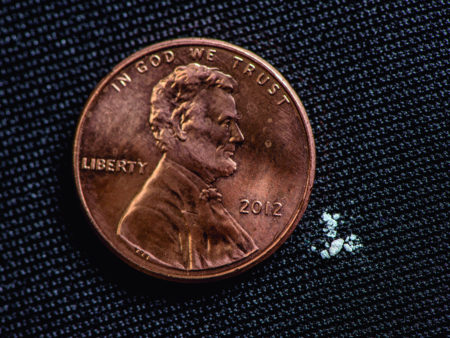
Fentanyl is a powerful synthetic opioid that is similar to morphine but is 50 to 100 times more potent.1 Just 2 to 3 milligrams of this drug can lead to death.
There is significant risk that illegal drugs have been intentionally laced with fentanyl. Because of its potency and low cost, drug dealers have been mixing fentanyl with other drugs including heroin, methamphetamine, and cocaine, increasing the likelihood of a fatal interaction.2
Preventing an overdose death is the first step in creating an opportunity for a healthy life free of substance use. Be sure to not use alone, have Narcan® available, use a test dose, and test substances for fentanyl. Taking these steps is often called “harm reduction” and is meant to preserve life so that treatment and recovery can remain options.
Additional Overdose Resources
Stark County Providers of Mental Health and Addiction Services
Stark County Opiate & Addiction Task Force
CDC Overdose Prevention
Partnership to End Addiction
Important Resources
Contact CommQuest Detox
Contact CommQuest Detox at CommQuest Recovery Campus Building A at 330-830-3393.
Get Help
Opioid Treatment Programs certified by OhioMHAS
Sources
[1] Volpe DA, Tobin GAM, Mellon RD, et al. Uniform assessment and ranking of opioid Mu receptor binding constants for selected opioid drugs. Regul Toxicol Pharmacol. 2011;59(3):385-390. doi:10.1016/j.yrtph.2010.12.007
[2] Facts about Fentanyl. DEA. (n.d.). https://www.dea.gov/resources/facts-about-fentanyl.
[3] Witnessing a Drug Overdose? It may be a Medical Emergency. Signs of a Drug Overdose and What to Do |Providence Health. (n.d.). https://www.yourprovidencehealth.com/our-locations/emergency-department/signs-of-a-drug-overdose/.